
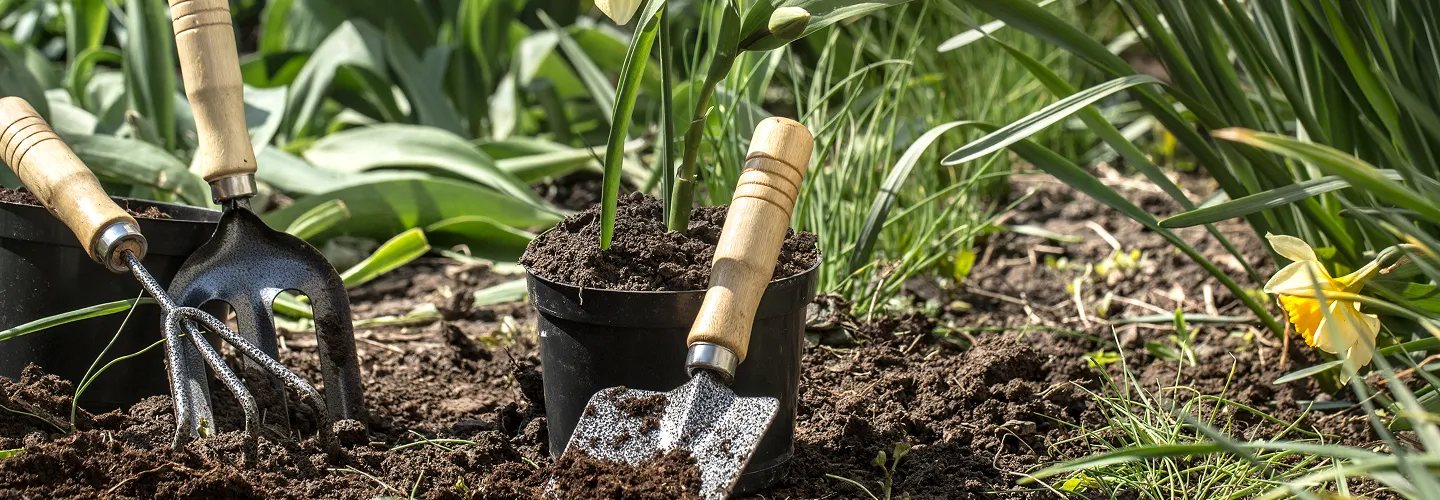
Tewksbury Dethatching Lawn Services
Choose our dethatching lawn service for a healthier, greener yard—our experienced team removes built-up thatch to promote stronger roots, better water absorption, and a lush, vibrant lawn you’ll love.
Get a Free QuoteOur Tewksbury Landscaping & Yard Care Services
When to Schedule Dethatching Lawn in Tewksbury, Massachusetts – Seasonal Guide
In Tewksbury, Massachusetts, the best time to schedule lawn dethatching is typically in early spring or early fall, when cool-season grasses like Kentucky bluegrass and fescue are actively growing. These periods allow your lawn to recover quickly from the dethatching process, taking advantage of moderate temperatures and consistent rainfall. Local neighborhoods such as Shawsheen and North Tewksbury often experience late spring frosts, so it’s important to wait until the soil has warmed and the risk of frost has passed—usually by mid-April.
Tewksbury’s landscape features a mix of shaded lots, clay-heavy soils, and areas prone to summer drought, especially near the Merrimack River corridor. Homeowners should also consider municipal watering restrictions and the unique microclimates found near landmarks like Livingston Street Park. For more information on local environmental guidelines, visit the Town of Sudbury’s official site.
Local Factors to Consider for Dethatching Lawn in Tewksbury
- Tree density and shade coverage, which affect thatch buildup and soil moisture
- Soil type (clay or sandy soils may require different timing)
- Average precipitation and risk of summer drought
- Proximity to water bodies like the Shawsheen River
- Municipal watering restrictions and local ordinances
- Terrain and drainage patterns, especially in older neighborhoods
Benefits of Dethatching Lawn in Tewksbury
Improved Lawn Health
Enhanced Grass Growth
Increased Nutrient Absorption
Better Water Penetration
Reduced Pest and Disease Risk
Boosted Curb Appeal
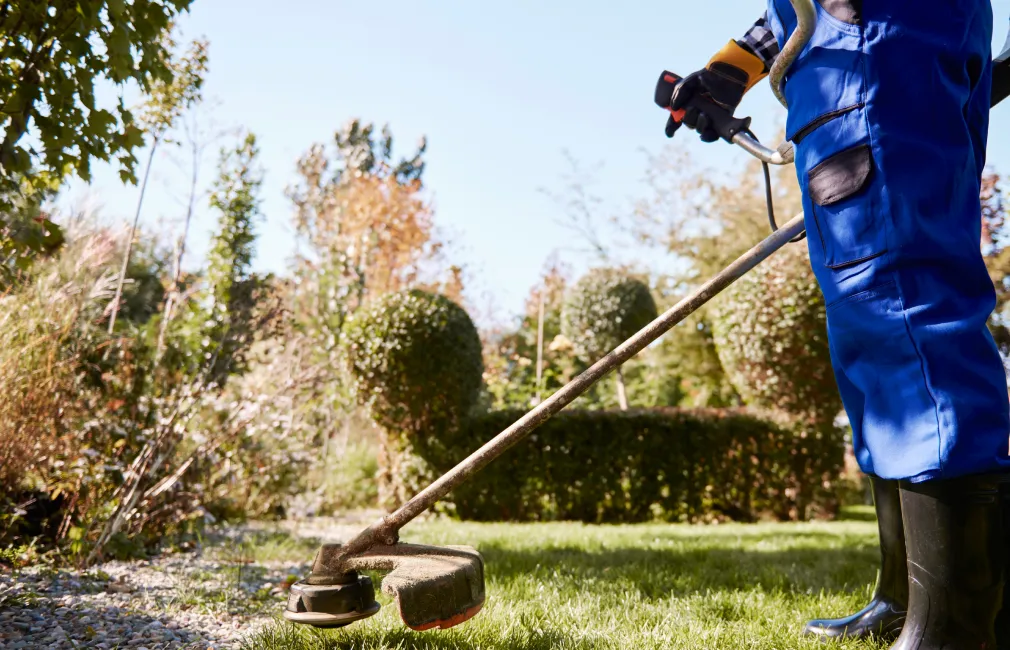
Tewksbury Dethatching Lawn Types

Cool-Season Grasses
-
Warm-Season Grasses
-
Fescue Lawns
-
Kentucky Bluegrass Lawns
-
Ryegrass Lawns
-
Zoysia Lawns
-
Bermuda Grass Lawns
Our Dethatching Lawn Process
Lawn Evaluation
Thatch Depth Measurement
Dethatching Equipment Setup
Thatch Removal
Cleanup and Disposal
Why Choose Tewksbury Landscape Services
-
Tewksbury Homeowners Trust Us
-
Expert Lawn Maintenance
-
Reliable Seasonal Cleanups
-
Competitive Pricing
-
Professional Team
-
Satisfaction Guarantee
-
Personalized Service
Contact Tewksbury's Department of Public Works for Dethatched Material Disposal & Yard Waste Collection
Proper disposal of dethatched lawn material in Tewksbury is managed through the Town’s municipal yard waste programs, which typically operate from April through November. Residents can utilize curbside yard waste collection on scheduled days or bring material to the Transfer Station, which requires an annual permit sticker (available at Town Hall). Accepted materials include thatch, grass clippings, leaves, and brush, though these may need to be separated according to facility guidelines. Only biodegradable paper bags or rigid containers (maximum 32 gallons) are permitted for curbside collection—plastic bags are strictly prohibited per Massachusetts Department of Environmental Protection regulations. Commercial contractors may be subject to additional fees and must comply with local disposal rules. The Transfer Station is generally closed during winter months. For up-to-date collection schedules, accepted materials, and permit requirements, contact:
Tewksbury Department of Public Works
999 Whipple Road, Tewksbury, MA 01876
Phone: (978) 640-4440
Official Website: Tewksbury Department of Public Works
Understanding Thatch Buildup in Tewksbury's Glacial Till & Variable Drainage Soils
Tewksbury’s soils, as identified by the USDA Web Soil Survey, are predominantly glacial till with variable drainage, moderate to high compaction, and a naturally acidic pH (5.5-6.5). These conditions slow microbial decomposition of thatch, especially in shaded or poorly drained areas. Seasonal high water tables (often 12-36 inches from the surface in spring) can cause waterlogging, further reducing oxygen and slowing thatch breakdown. Massachusetts’ humid summers promote rapid cool-season grass growth, while harsh winters and freeze-thaw cycles can compact soil and damage turf. Thatch exceeding the 0.5-inch threshold restricts air and water movement, harbors fungal diseases (summer patch, red thread, dollar spot), and reduces winter hardiness. Key indicators that dethatching is needed include:
- Spongy feeling underfoot (like carpet padding)
- Matted grass appearance
- Water ponding on the lawn surface
- Thinning turf despite fertilization
- Moss growth in shaded areas
- Increased disease pressure
- Poor drought performance
Tewksbury Conservation Commission Requirements for Dethatching Near Wetlands & Protected Areas
Dethatching near wetlands, streams, ponds, or vernal pools in Tewksbury requires strict compliance with the Massachusetts Wetlands Protection Act. Work within 25-50 feet buffer zones of these resource areas may necessitate a Request for Determination of Applicability (RDA) or a Notice of Intent (NOI), depending on the scope and proximity. Properties adjacent to Massachusetts Audubon Society lands or under conservation restrictions must coordinate with the Conservation Commission for permit requirements and seasonal restrictions. Wildlife protection is critical during the spring dethatching window (March-May), as this overlaps with nesting bird and vernal pool amphibian breeding seasons (March-June). Erosion control measures—such as immediate overseeding or temporary mulch—are required for exposed soil. For guidance on permits, buffer zones, and environmental compliance, contact:
Tewksbury Conservation Commission
11 Town Hall Avenue, Tewksbury, MA 01876
Phone: (978) 640-4370
Official Website: Tewksbury Conservation Commission
Tewksbury's Implementation of Massachusetts Organic Waste Regulations for Dethatched Material
Tewksbury enforces Massachusetts Department of Environmental Protection regulations for organic waste, supporting municipal waste reduction goals. Yard waste collection is available April-November, with specific days for curbside pickup and Transfer Station drop-off. Only biodegradable paper bags or rigid containers are accepted—plastic bags are not permitted. On-site composting of thatch is allowed, provided piles are set back 5-10 feet from property lines (verify with the Board of Health). Best practices for composting dethatched material include:
- Mixing thatch with fall leaves for balanced carbon/nitrogen
- Maintaining proper moisture and aeration
- Monitoring pile temperature for effective decomposition
Educational resources and composting guidelines are available from UMass Extension. For local composting regulations and health requirements, contact:
Tewksbury Board of Health
11 Town Hall Avenue, Tewksbury, MA 01876
Phone: (978) 640-4470
Official Website: Tewksbury Board of Health
Post-Dethatching Stormwater Management in Compliance with Tewksbury's MS4 Permit Program
After dethatching, Tewksbury residents must comply with MS4 stormwater permit requirements under the Clean Water Act, Massachusetts Clean Waters Act, and MassDEP Stormwater Management Standards. Exposed soil must be stabilized immediately to prevent erosion and sediment runoff, especially near storm drains or on slopes exceeding 10-15%. Best practices include:
- Overseeding within 24-48 hours after dethatching
- Applying erosion control blankets on steep slopes
- Using temporary mulch if seeding is delayed
- Protecting storm drains with sediment barriers
Always check National Weather Service Boston/Norton forecasts to avoid dethatching before heavy rain or Nor’easters. Never dethatch on saturated or frozen soils, as this increases compaction and erosion risk. For water quality and stormwater compliance questions, contact:
Tewksbury Department of Public Works
999 Whipple Road, Tewksbury, MA 01876
Phone: (978) 640-4440
Official Website: Tewksbury Department of Public Works
What Neighborhoods Do We Serve Throughout Tewksbury, MA?
Tewksbury’s neighborhoods each present unique thatch management challenges due to variations in soil, development age, and landscape features:
- Town Center/Historic District: Predominantly glacial till soils, mature maples and oaks, high shade, acidic pH, and centuries-old lawns with deep thatch layers. Proximity to wetlands and stone walls requires Conservation Commission coordination.
- Shawsheen/Andover Line: Sandy outwash soils with rapid drainage, newer developments, less tree cover, and Kentucky bluegrass dominance. Thatch accumulates quickly with regular irrigation.
- North Tewksbury: Rocky shallow soils, high water table, and mixed grass species. Older Victorian homes with mature trees and moss-prone shaded lawns.
- South Tewksbury: Mid-century suburbs with compacted glacial till, moderate tree canopy, and perennial ryegrass/fine fescue blends. HOA-managed common areas with variable maintenance.
- East Street Corridor: Proximity to vernal pools and conservation lands, poorly drained soils, and frequent waterlogging in spring. Requires buffer zone permits for dethatching.
- Wamesit/Lowell Line: Urban compacted soils, minimal tree cover, and newer developments. Thatch less common but compaction and acidic pH require lime and aeration.
Tewksbury Municipal Ordinances for Landscaping Operations & Equipment Use
Tewksbury enforces municipal ordinances regulating landscaping equipment use and noise. Power dethatchers and related equipment may only be operated 7 AM-7 PM weekdays, 8 AM-6 PM Saturdays, with Sunday restrictions (often no operation before 9-10 AM; check local bylaws). Noise ordinances limit decibel levels for commercial services. All landscaping businesses must register with the Town Clerk, maintain comprehensive insurance (liability and workers’ compensation per Massachusetts law), and may require bonding for municipal contracts. Before dethatching, always call Dig Safe (811) at least 72 hours in advance to locate underground utilities and irrigation systems, as required by Massachusetts law. For questions about permits, business registration, or equipment regulations, contact:
Tewksbury Building Department
11 Town Hall Avenue, Tewksbury, MA 01876
Phone: (978) 640-4370
Official Website: Tewksbury Building Department
For additional turf management guidance, soil testing, and best practices for Massachusetts lawns, consult UMass Extension Turf Program and UMass Soil and Plant Nutrient Testing Laboratory.